Conference proceedings published: Humans and Other Animals

In December 2024, Motlatsi KhosiKala Bopape, and I organized an international animal ethics conference, Humans and Other Animals: Rattling the Paradigm, with the aim of creating a space where students and early career practitioners, particularly from the Global South, could meet and explore the complex relationship between humans and other animals.

After the conclusion of the conference, the presenters were invited to work their presentations into publishable papers. The result is a special issue of the Bangladesh Journal of Bioethics, which has just been published and is available here. It contains the following articles, all of which are open access:

Continue reading “Conference proceedings published: Humans and Other Animals”

From China to the world: The universal spirit of the Spring Festival

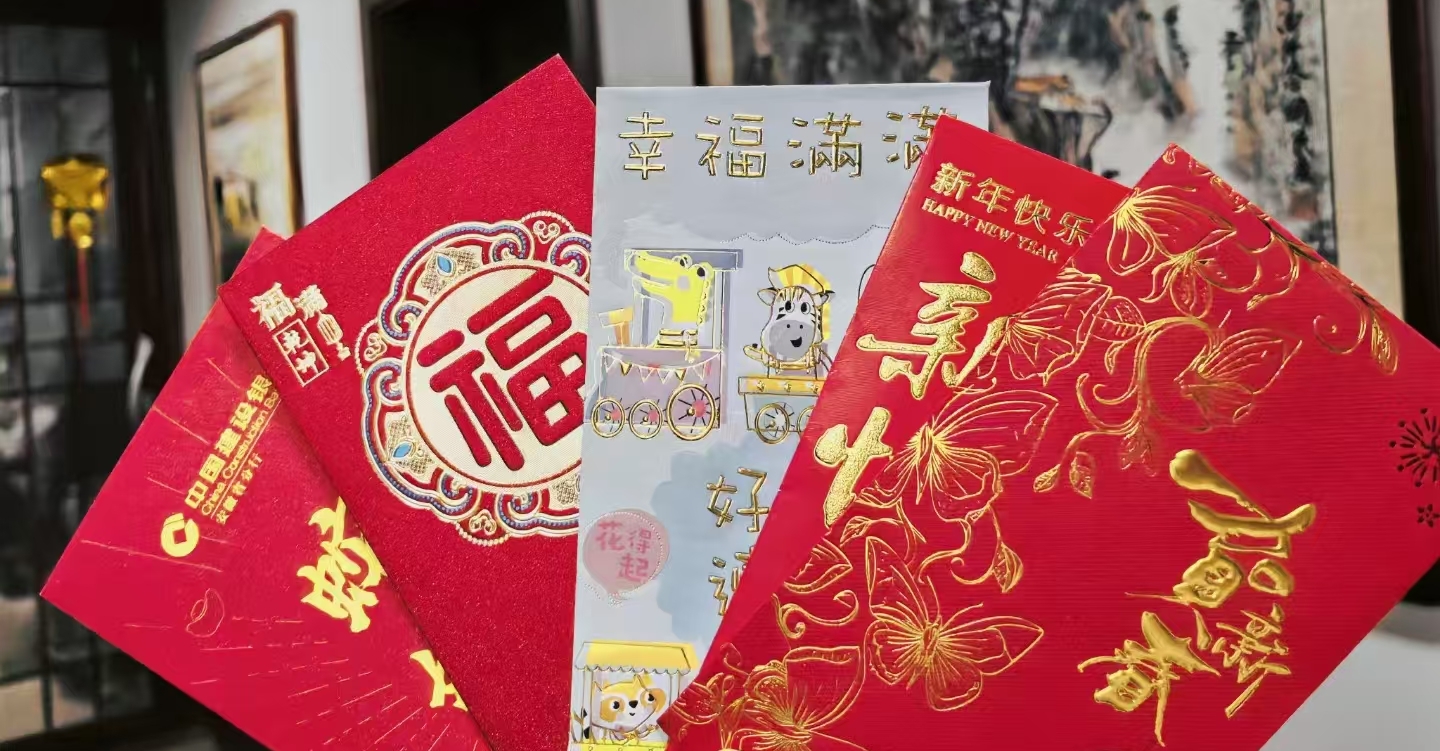
January 29, 2025 is the first day of a new year, the Year of the Snake, on the lunisolar Chinese calendar. People of Chinese heritage all over the world are immersed in the festive joy of Chinese New Year – or the Spring Festival, as it is more commonly known. Just in time for this year’s Spring Festival, UNESCO inscribed the festival on its Representative List of the Intangible Cultural Heritage of Humanity. If you have ever seen the vibrant dragon and lion dances or wondered about the meaning behind the red envelopes handed out during this time, you have had a glimpse into the traditions of the Spring Festival. You may not know much about the details, but when it comes to family affection, the emotional core that defines the Spring Festival, you are surely no stranger.

Continue reading “From China to the world: The universal spirit of the Spring Festival”

A hopeful 2025 begins with open ears and open hearts

Voltaire once wrote, “L’oreille est le chemin du cœur.” – The ear is the way to the heart. Few would argue against the importance of listening. Yet, in reality, we often respond passively, offering merely superficial acknowledgment, instead of truly listening. We would rather have others listen to us, and the rise of social media has made it easier to demand just that. As a result, the world has become noisier. Thoughts are expressed more readily, and shared more widely, yet people are feeling lonelier, and less connected. Whether it is the anxiety and uneasiness in one’s heart, the misunderstandings and estrangements among family and friends, or political conflicts, a lack of listening cannot escape sharing in the blame.

Continue reading “A hopeful 2025 begins with open ears and open hearts”

A personal choice?

When people are treated monstrously, we say they are “treated like animals.” This is because we treat animals monstrously. We mistreat and abuse them on farms, transport them in cramped and stressful conditions, torture them in laboratories, hunt them for sport, and use them for our entertainment in circuses and zoos. You know that, I know that, everyone knows that. And yet, the horror continues, and it continues on a scale that is truly mind-boggling.

Continue reading “A personal choice?”

Western Hypocrisy and Muslim Whataboutism, as Every Year

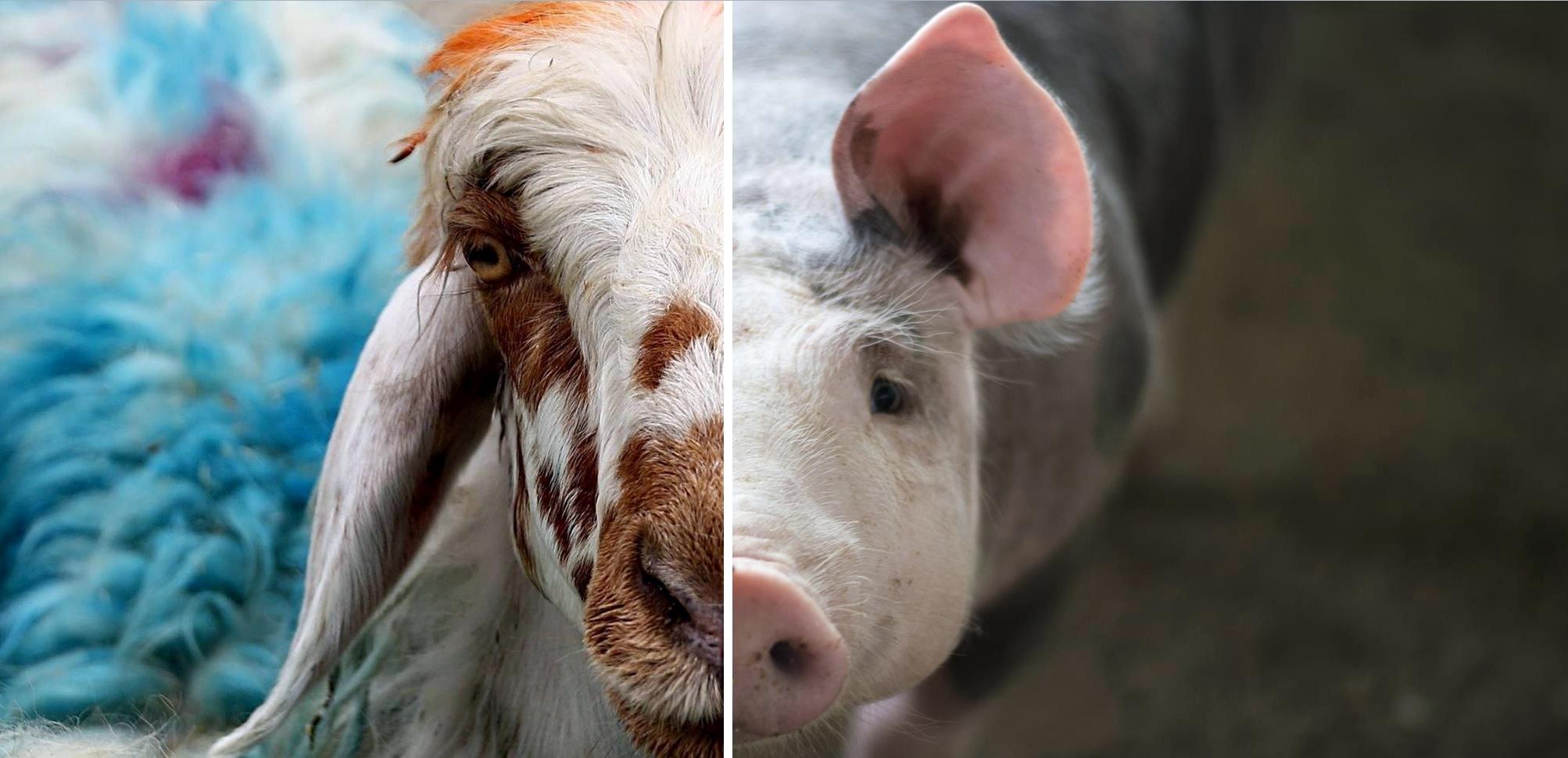
In May 2020, when people were panic-buying toilet paper and supply chains were crumbling due to COVID-19, Iowa’s largest pork producer found itself with thousands of pigs that no longer had commercial value. Led by the logic of profit maximization, Iowa Select Farms decided that keeping the pigs alive was not worth the cost. The pigs had to die, and their deaths had to be fast and cheap.

Continue reading “Western Hypocrisy and Muslim Whataboutism, as Every Year”

Mtu na Jinsia

Je, unajua tofauti kati ya utambulisho wa kijinsia, muonekano wa kijinsia, jinsia ki-anatomia, na mwelekeo wa kijinsi? Baadhi ya marafiki na mimi tumeunda kitini cha ukurasa mmoja, kulingana na Genderbread Person ya Sam Killermann, ambayo inafafanua dhana hizi kwa njia inayoweza kufikiwa na ya kuvutia. Ni zana nzuri ya kufundishia na njia nzuri ya kuanzisha mazungumzo muhimu, iwe shuleni, chuo kikuu, matukio ya kijumuiya, au warsha za utetezi. Ni bure kwa mtu yeyote kupakua na kutumia kwa madhumuni ya elimu, na kukuza uvumilivu, kuelewa, na kuthamini tofauti za binadamu.

Continue reading “Mtu na Jinsia”

Kupiga watoto sio sawa

Isipokuwa kama unajilinda mwenyewe au unamlinda mtu mwingine, kumpiga mtu ni shambulio, na shambulio ni kinyume cha sheria. Hakuna mjadala juu yake, na hakuna sababu nzuri sana kwa nini iwe hivyo. Watu wana haki ya kuheshimiwa. Kumpiga mtu sio tu husababisha maumivu ya mwili – ni udhalilishaji. Ndiyo maana ni nchi chache tu ambazo bado zinatumia mateso ya kimwili kama adhabu. Tunaposoma makala za habari kuhusu nchi zinazowapiga watu viboko kwa uharibifu wa kitu fulani au kuiba, wengi wetu hukwazika na kushangaa: “Ni unyama ulioje!” Tumechoka na kuchoshwa na vurugu. Ubinadamu umepitia mambo mabaya mengi sana, na imekuwa nadra sana kwa binadamu kufanya mambo mema. Vurugu inapaswa kuwa suluhu ya mwisho, na itumike tu inapobidi.

Continue reading “Kupiga watoto sio sawa”

Hitting kids is never OK

Unless you are defending yourself or someone else, hitting a stranger is assault, and assault is illegal. There is no question about it, and there are very good reasons why that is so. People have the right to be treated with respect. Hitting someone not only causes physical pain – it is degrading. That’s also why only a few countries still use the infliction of physical pain as punishment. When reading news articles about countries caning people for vandalism or stealing, most of us react with indignation: “How barbaric and backward!” We are sick and tired of violence. Humanity has seen too much of it, and hardly ever has it done any good. Violence should be the last resort, only to be used when absolutely necessary.

Continue reading “Hitting kids is never OK”

Veganizing Bangladesh

I just got back from a trip to what the British newspaper The Telegraph once called “the world’s most vegetarian country.” The country is Bangladesh, where – according to the UN Food and Agriculture Organization (FAO) – the average person consumes only about four kilograms of meat annually. For comparison, in the United States, the per-capita meat consumption is 120 kilograms.

Continue reading “Veganizing Bangladesh”

Ni zaidi ya suala la familia!

Ni janga kubwa na lisilo na kifani. Linaleta uchungu na mateso kwa wanawake na familia zao. Linaharibu jamii katika kila nchi na tamaduni. Lakini cha kushangaza, ni mara chache linazungumziwa, na kwa hakika halishughulikiwi kwa uharaka, tofauti kabisa na janga lingine lolote, ambalo limewahi kuwepo angalau kwa miaka miwili iliyopita. Tanzania ni mfano wa nchi ambayo janga hili limejikita sana lakini linafichwa. Katika nchi kama hii yenye mandhari nzuri, visiwa vya kupendeza, na wanyama wa porini wa kuvutia, kufichwa kwa janga hili kunaleta kizungumkuti.

Continue reading “Ni zaidi ya suala la familia!”

Not a “family issue”

It is a pandemic of devastating proportions. It brings pain and suffering to women and their families. It ravages communities in every country and culture. And yet, we rarely talk about it, and we surely do not address it with the urgency it demands – in stark contrast to the other pandemic, which has been a constant presence in our collective consciousness for the last two years. Tanzania is a case in point. In the land of picturesque landscapes, tropical islands, and spectacular wildlife, this hidden pandemic casts a particularly dark shadow.

Continue reading “Not a “family issue””

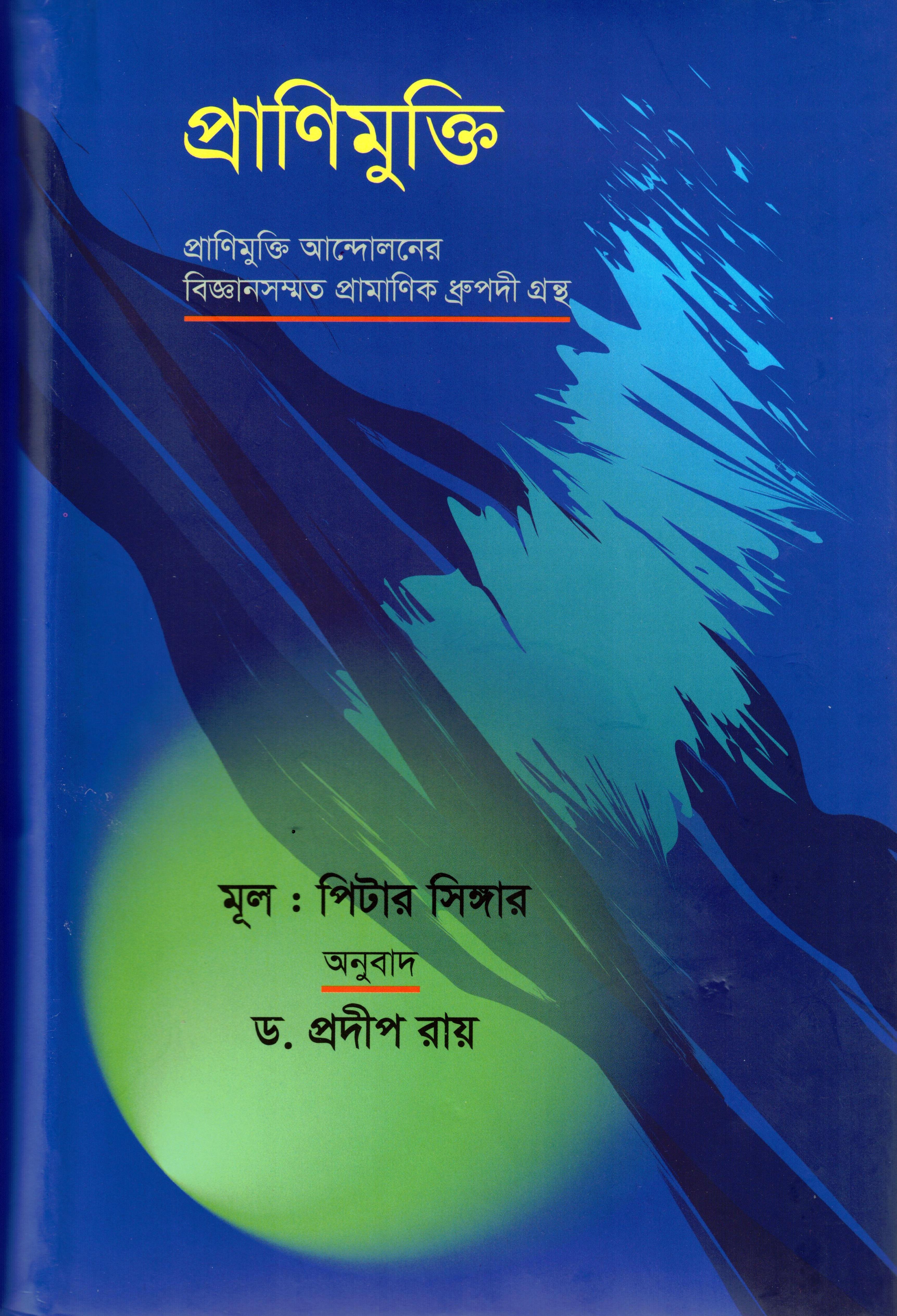
প্রাণিমুক্তি: প্রাণিমুক্তি আন্দোলনের বিজ্ঞানসম্মত প্রামাণিক ধ্রুপদী গ্রন্থ

Peter Singer‘s Animal Liberation, a modern classic in the field of ethics, is now available in Bangla! It is one of the most important books that you will ever read. It might change your life. It did change mine.

প্রাণিমুক্তি

প্রাণিমুক্তি আন্দোলনের বিজ্ঞানসম্মত প্রামাণিক ধ্রুপদী গ্রন্থ


Pranimukti

Pranimukti Andoloner Bijjansammta Dhrupadi Grantha

Continue reading “প্রাণিমুক্তি: প্রাণিমুক্তি আন্দোলনের বিজ্ঞানসম্মত প্রামাণিক ধ্রুপদী গ্রন্থ”

Ethics of Change: Winners’ Essays

On December 7 and 8, 2021, the Ethics of Change International Student Conference was held at the Centre de Recherche en Éthique. On this occasion, nine young researchers, selected after a competition in which over 200 proposals were received, presented their work.

The two best of these excellent presentations have been summarized and are available on the website of the CRÉ, and here:

Congratulations to these excellent researchers!

And enjoy reading their papers.

Ethics of Change International Student Conference

The way we live, and the norms, beliefs, and attitudes that shape our behavior are constantly changing. Much of that change is driven by people who refuse to accept the status quo and rise to ask critical questions about what is right and wrong in how governments, communities, and individuals treat others, including members of sexual, racial, religious, and other minorities, dissidents, people with disabilities, women, nonhuman animals, and the natural environment.

The Centre de Recherche en Éthique (CRÉ) in Montréal, Canada, will unite students from across the globe to come together to explore the ethical considerations around social and political activism, and strategies to achieve local and global change. The conference aims to allow students to exchange ideas across borders and make sustainable connections with each other as well as with the CRÉ.

The conference will be conducted online via Zoom on Tuesday and Wednesday, 7 and 8 December 2021.

Continue reading “Ethics of Change International Student Conference”

Celebrating the Death of Lars Vilks Diminishes Our Humanity

Earlier this month, when the news broke that Lars Vilks tragically died in a car crash, comments sections from Bangladesh to Tanzania, from Indonesia to Pakistan, erupted in gleeful celebration. Vilks was the Swedish artist who in 2007 stirred worldwide controversy with a series of drawings that depicted Muhammad as a dog. One of the most common reactions to his death was “Alhamdulillah,” an Arabic phrase that means “Praise be to God.” I am not a theologian by any means, but doesn’t that border on blasphemy? After all, praising God for the car crash implies that God had a hand not only in the death of Vilks, but also in the death of the two members of his security detail who had nothing to do with the offensive drawings, and were just doing their job. One commentator proclaimed that he “bought a cake to celebrate,” and there was plenty of language used by other commentators that cannot be reproduced in a decent newspaper. Comments sections of course are not exactly known for nuanced and intelligent discussion. Rather, they often bring out the worst in people, and I am reasonably confident that the vast majority of Muslims do not share the jubilant attitude toward the death of Vilks and the two police officers. Yet, that attitude still seems to be prevalent enough to warrant reflection.

Continue reading “Celebrating the Death of Lars Vilks Diminishes Our Humanity”

What we can learn from almost murdering Joe the pigeon

As Joe the politician prepares to be inaugurated as the next President of the United States, another Joe has also been making international headlines. Joe the pigeon was found in a backyard in the Australian city of Melbourne last December. He was carrying a leg band that seemed to suggest that he had been in the US state of Oregon two months earlier, raising questions about how he made it across the Pacific – no small feat!

The story made it onto local news and Australian authorities took notice. They declared Joe a “biosecurity risk” and decided that he must be killed in order to protect local birds from possible infection. A spokesperson for the Australian government did not actually use the word “killed,” but instead said that Joe must be “destroyed,” as if Joe was a car, a stone, or some other inanimate object.

Continue reading “What we can learn from almost murdering Joe the pigeon”

Mahojiano: WanaLGBT Tanzania

🇺🇸 Please click here to find an English version of this interview.

Wasagaji, mashoga, wapenda jinsia mbili na wabadilisha jinsia (LGBT) wanakumbwa na ubaguzi na vurugu ambazo zimesababisha madhara makubwa pamoja na ubinywaji wa haki zao za msingi. Niliwahoji wanaharakati watatu wa LGBT wa Tanzania ambao ni wanachama wa jamii hii ili kujua zaidi kuihusu. Lulu ni msagaji mwenye zaidi ya miaka ishirini, Grace ni mwanamke aliyebadilisha jinsia mwenye umri wa kati ya miaka ishirini na Baraka ni shoga mwenye umri wa miaka thelathini na nusu. Haya sio majina yao halisi, maana wanaishi Tanzania na hawahisi salama kujitokeza hadharani. Wanayopitia ni ya kuhuzunisha kwakweli. Nawashukuru kwa kuwa na ujasiri wa kuhojiwa. Natumaini kusoma kuhusu gharama ya maovu ya chuki dhidi ya wapendao jinsia moja na wabadilisha jinsia itamsaidia msomaji kuelewa umuhimu wa kupigania haki za wanaLGBT nchini Tanzania.

Continue reading “Mahojiano: WanaLGBT Tanzania”

Interview: The LGBT community in Tanzania

🇹🇿 Tafadhali bonyeza hapa kupata toleo la mahojiano haya kwa Kiswahili.

Lesbian, gay, bisexual, and transgender (LGBT) people in Tanzania experience substantial prejudice, discrimination, and violence, which has a significantly negative impact on their well-being, and are being denied their most basic human rights. I talked to three Tanzanian LGBT activists who are themselves members of Tanzania’s LGBT community to learn more about the lives of LGBT people in Tanzania. Lulu is a lesbian woman in her late twenties, Grace is a trans woman in her mid-twenties, and Baraka is a gay man in his mid-thirties. These are not their real names, as they live in Tanzania and do not feel safe coming out to the general public. Their experiences, however, are painfully real. I am grateful to them for having the courage to speak up, and I hope reading about the human cost of the evils of homophobia and transphobia will help the reader better understand the urgency of LGBT rights advocacy in Tanzania.

Continue reading “Interview: The LGBT community in Tanzania”

A license to rape

Sudha was a healthy 16-year-old student in South India. Now she is dead. It was not COVID-19 that killed her – not directly anyway. She was found hanging in the village of Ranganathapura at the end of last month, and died shortly afterwards at a nearby hospital. Sudha committed suicide, after being forced to marry a relative. Allegedly, police initially attempted to hush up the case, but eventually the parents of both the bride and the groom were arrested. The groom is still at large. The government body tasked with the prevention of child marriage told local press that the marriage remained unnoticed by the authorities for longer than usual because the responsible officer was not working, due to India’s coronavirus lockdown. If the marriage had come to the attention of the authorities earlier, maybe Sudha would still be alive.

Each year, 12 million female children across the world are married. That is nearly one girl every three seconds. Countries in West and Central Africa as well as South Asia have the highest prevalence of child marriage. In Niger, for example, 76 percent of women between the age of 20 and 24 were first married before they were 18 years old. In Bangladesh, it is 59 percent. While there are differences in prevalence within and across countries, child marriage remains a universal challenge, and occurs across regions, cultures, and religions. Continue reading “A license to rape”

Child domestic labor: We must refuse to accept the unacceptable

Moyna cannot sit at the table and eat with the rest of the household. She is the other — in the house, but not a member of the house. Her humanity is reduced to the work she does. Who she is as a person, those around her do not know. She functions in the background, keeps the household running. She is a six-year-old domestic worker in Dhaka, the capital of Bangladesh. “I wake up at six in the morning and go to bed at midnight. My daily chores include sweeping and wiping the floors and stairs, doing the dishes and laundry, opening the main gate downstairs, switching on machines, a little bit of shopping, cleaning the toilet.” In the morning, her workload is particularly heavy, Moyna tells a researcher with the Bangladesh-based Alternative Movement for Resources and Freedom Society. “I help to prepare breakfast, and I eat two breads for myself in a hurry. The same situation arises during lunch and dinner time; I always eat last.” Moyna has no father, and her mother remarried a man who beat her for no reason, which is why her grandmother sent her to Dhaka to work. She has never been to school. Her employer does not allow her to watch TV or talk to outsiders, and makes her wear worn-out clothes. She is slapped or verbally abused for small mishaps, and brutally beaten and locked up for up to 24 hours without food for what her employer considers more severe offenses. Continue reading “Child domestic labor: We must refuse to accept the unacceptable”