Once again, people have lost their lives at Europe’s border, and once again, the real question remains unanswered

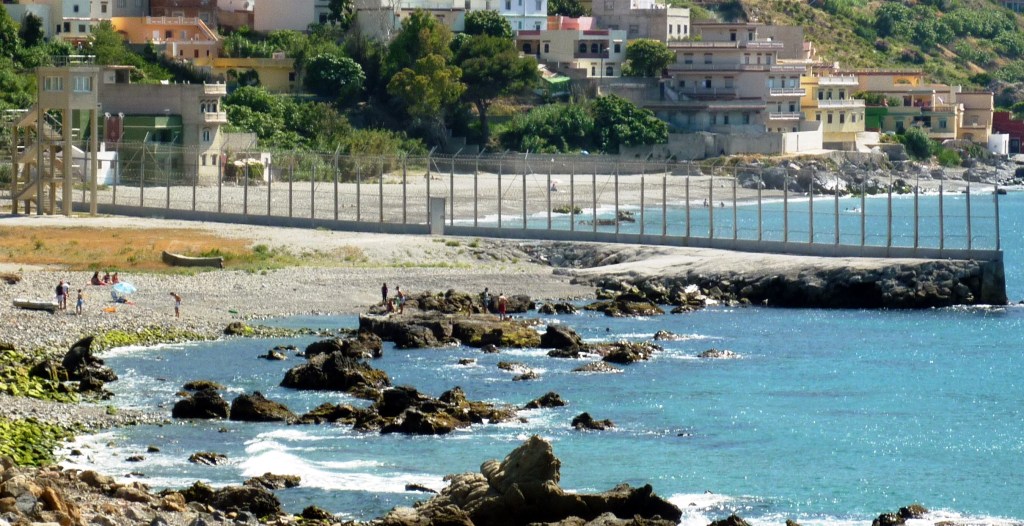
Last week, at least 72 people died while attempting to reach the Spanish exclave of Ceuta from Morocco. Around 60,000 people made it into Ceuta, many of them by sea, others by climbing over border fences. Within just a few days, however, most of them had already returned to Morocco.

Both Morocco and Ceuta are located in Africa. But politically, Ceuta, like Melilla, belongs to Spain and therefore to the European Union. Europe’s response to the unprecedented influx into the exclave has been almost unanimous. What happened has been described as a “threat to Europe’s security.” Some have even called it an “attack” or an “invasion.” Europe’s external borders, we are told, must be better protected.

Continue reading “Once again, people have lost their lives at Europe’s border, and once again, the real question remains unanswered”
We haven’t left the cave yet

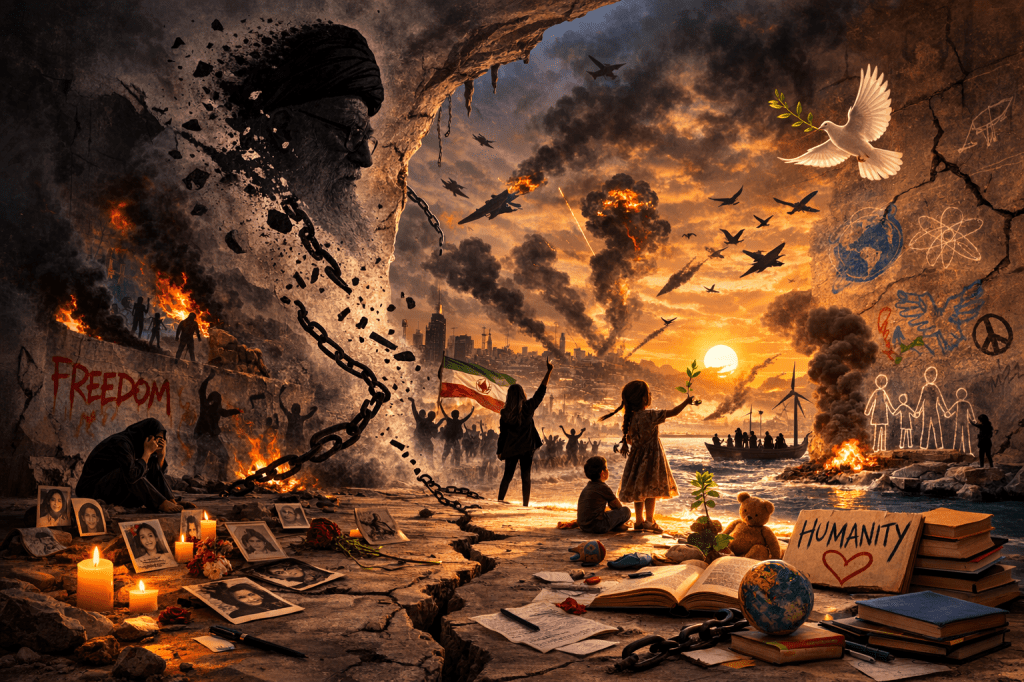
Ali Khamenei is dead. For decades, he held ultimate political and religious authority over a theocratic regime that continues to oppress Iranians at home and sponsor terrorism abroad. For those who survived torture and other forms of ill-treatment at the hands of this regime, those who were forced to flee their homeland to escape persecution, and those who lost friends and family, including the thousands of protesters killed by Iranian security forces in January, this is a moment of relief. Khamenei will not be hurting anyone anymore. For some, joy joins relief in an intricate tangle of emotions that only those who have lived under the shadow of the Grand Ayatollah can truly comprehend.

Continue reading “We haven’t left the cave yet”