
Wieder Tote an Europas Grenze und wieder bleibt die eigentliche Frage unbeantwortet

Vergangene Woche starben mindestens 72 Menschen bei dem Versuch, von Marokko aus die spanische Exklave Ceuta zu erreichen. Etwa 60.000 Menschen gelangten nach Ceuta, viele von ihnen schwimmend, andere indem sie die Grenzzäune überwanden. Nur wenige Tage später waren die meisten von ihnen bereits wieder zurück in Marokko.

Sowohl Marokko als auch Ceuta liegen in Afrika. Politisch hingegen gehört Ceuta, wie auch Melilla, zu Spanien und damit zur Europäischen Union. Die Reaktion Europas auf den beispiellosen Andrang auf die Exklave ist nahezu einstimmig. Von einer „Gefahr für die Sicherheit Europas“ ist die Rede. Manche sprechen gar von einem „Angriff“ oder einer „Invasion“. Die europäische Außengrenze müsse besser geschützt werden, heißt es.

Continue reading “Wieder Tote an Europas Grenze und wieder bleibt die eigentliche Frage unbeantwortet”
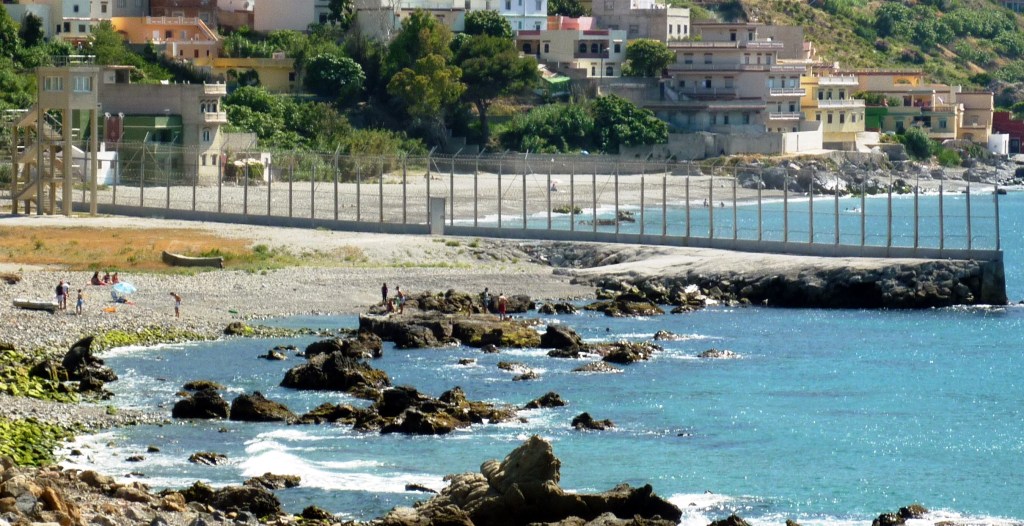
Once again, people have lost their lives at Europe’s border, and once again, the real question remains unanswered

Last week, at least 72 people died while attempting to reach the Spanish exclave of Ceuta from Morocco. Around 60,000 people made it into Ceuta, many of them by sea, others by climbing over border fences. Within just a few days, however, most of them had already returned to Morocco.

Both Morocco and Ceuta are located in Africa. But politically, Ceuta, like Melilla, belongs to Spain and therefore to the European Union. Europe’s response to the unprecedented influx into the exclave has been almost unanimous. What happened has been described as a “threat to Europe’s security.” Some have even called it an “attack” or an “invasion.” Europe’s external borders, we are told, must be better protected.

Continue reading “Once again, people have lost their lives at Europe’s border, and once again, the real question remains unanswered”