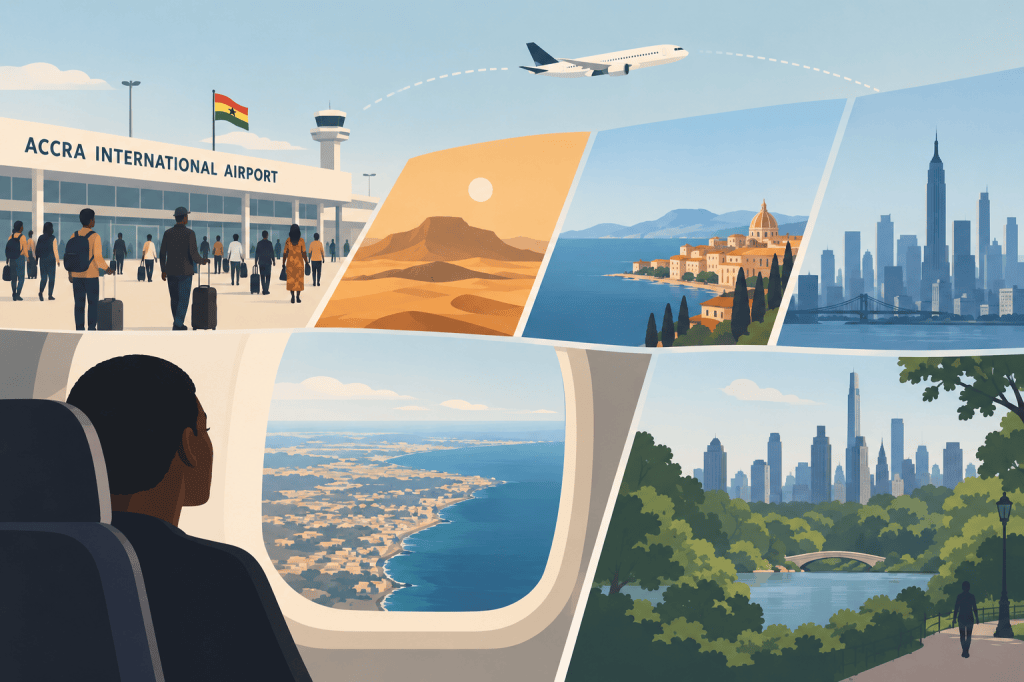
It was early in the evening and a crowd of people was gathered at Kotoka International Airport. Most of them were waiting to receive loved ones returning home, others were trying to make their way into the terminal. “Kotoka” is what my phone showed; to my surprise, because I had learned that the name of the airport was recently changed back to its original name: Accra International Airport.
For the past few years, I’ve been teaching Introduction to Ethics at community colleges in Texas. Every now and then, I hear from people outside Texas who would like to take the course, not for college credit, but simply because they’re interested in learning about ethics.
Unfortunately, college bureaucracy makes it difficult to accommodate students who aren’t officially enrolled. So, if there’s enough interest, I’d like to try offering the course independently to a small group of students, if there’s an interest.
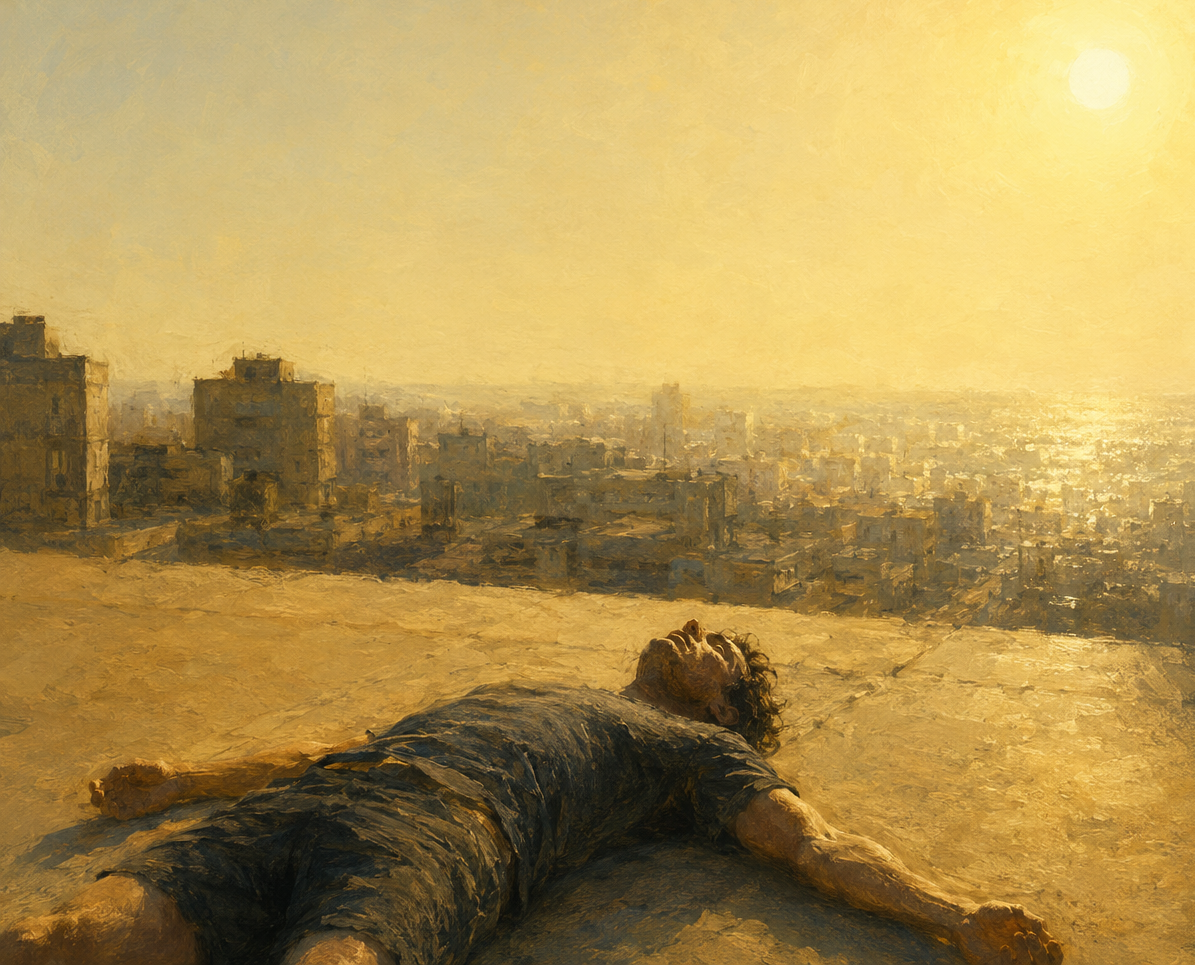
I have not eaten today. Not on purpose. I will eat, later. I simply have not thought of it yet.
Other than that, today is a day like any other. In the morning, I worked. For the most part, work has become a routine, like brushing my teeth. A series of motions that seldom calls upon the genius we so readily claim sets us apart from other animals. I suppose most work is like that, and people rarely mind.
Vergangene Woche starben mindestens 72 Menschen bei dem Versuch, von Marokko aus die spanische Exklave Ceuta zu erreichen. Etwa 60.000 Menschen gelangten nach Ceuta, viele von ihnen schwimmend, andere indem sie die Grenzzäune überwanden. Nur wenige Tage später waren die meisten von ihnen bereits wieder zurück in Marokko.
Sowohl Marokko als auch Ceuta liegen in Afrika. Politisch hingegen gehört Ceuta, wie auch Melilla, zu Spanien und damit zur Europäischen Union. Die Reaktion Europas auf den beispiellosen Andrang auf die Exklave ist nahezu einstimmig. Von einer „Gefahr für die Sicherheit Europas“ ist die Rede. Manche sprechen gar von einem „Angriff“ oder einer „Invasion“. Die europäische Außengrenze müsse besser geschützt werden, heißt es.
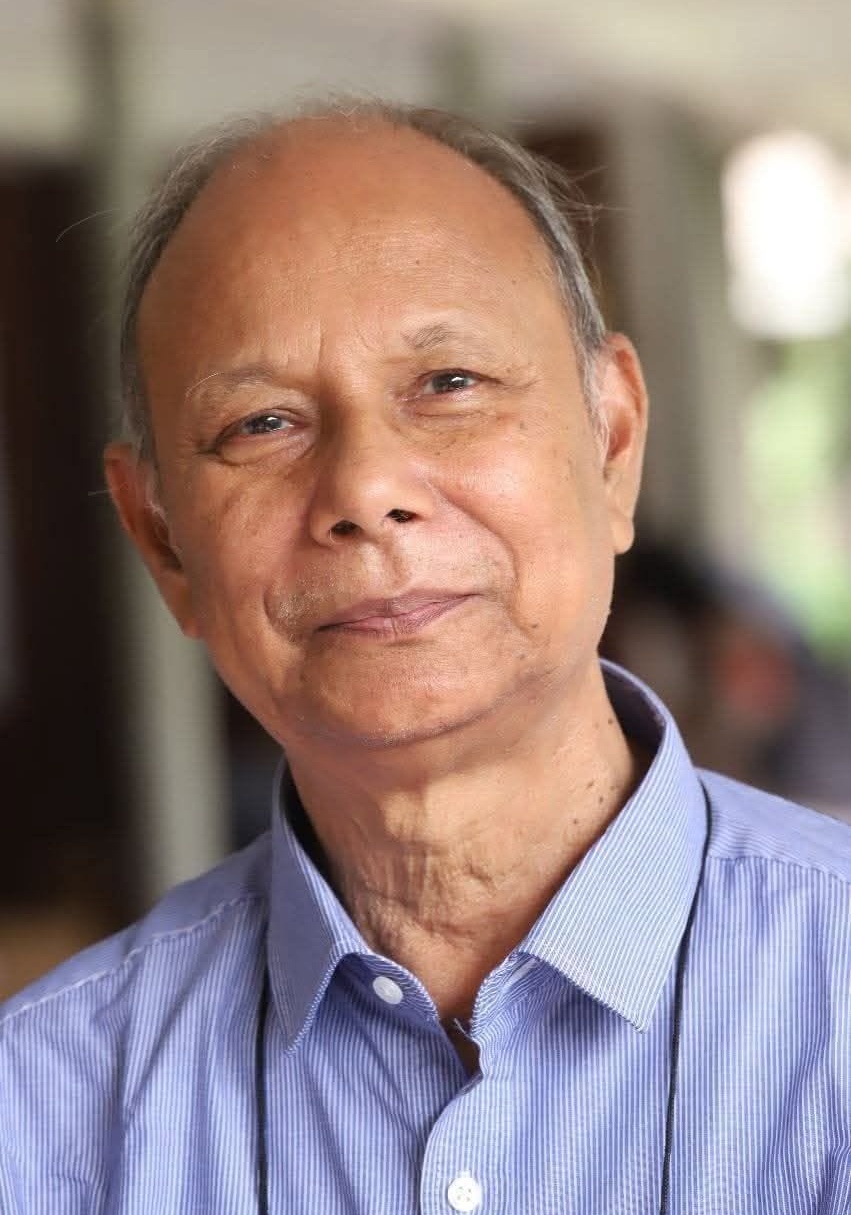
I have only just learned that Pradip Kumar Roy, a former professor and Chairman in the Department of Philosophy at Dhaka University, passed away in April. I have known him for many years and thought very highly of him. Not only was he a distinguished scholar with a list of accomplishments too long to mention, but he was also a very kind and generous man. I remember many pleasant conversations in person and via email, and it pains me that I will not get a chance to talk to him again.
Last week, at least 72 people died while attempting to reach the Spanish exclave of Ceuta from Morocco. Around 60,000 people made it into Ceuta, many of them by sea, others by climbing over border fences. Within just a few days, however, most of them had already returned to Morocco.
Both Morocco and Ceuta are located in Africa. But politically, Ceuta, like Melilla, belongs to Spain and therefore to the European Union. Europe’s response to the unprecedented influx into the exclave has been almost unanimous. What happened has been described as a “threat to Europe’s security.” Some have even called it an “attack” or an “invasion.” Europe’s external borders, we are told, must be better protected.
Shamima Parvin Lasker, an anatomy professor and a pioneer of bioethics in Bangladesh, died on July 9, 2026. This is a profound loss for all who knew her, and for the medical and bioethics communities she served so passionately.
I’m excited to share that my latest paper has just been published in Asian Bioethics Review!
The paper tackles an underappreciated issue in healthcare, which arises from the fact that many common medications contain animal-derived ingredients, such as gelatin, lactose, or magnesium stearate. For most people, this fact doesn’t raise any concerns. But for ethical vegans, whose numbers are steadily increasing globally, it can create a real moral conflict.
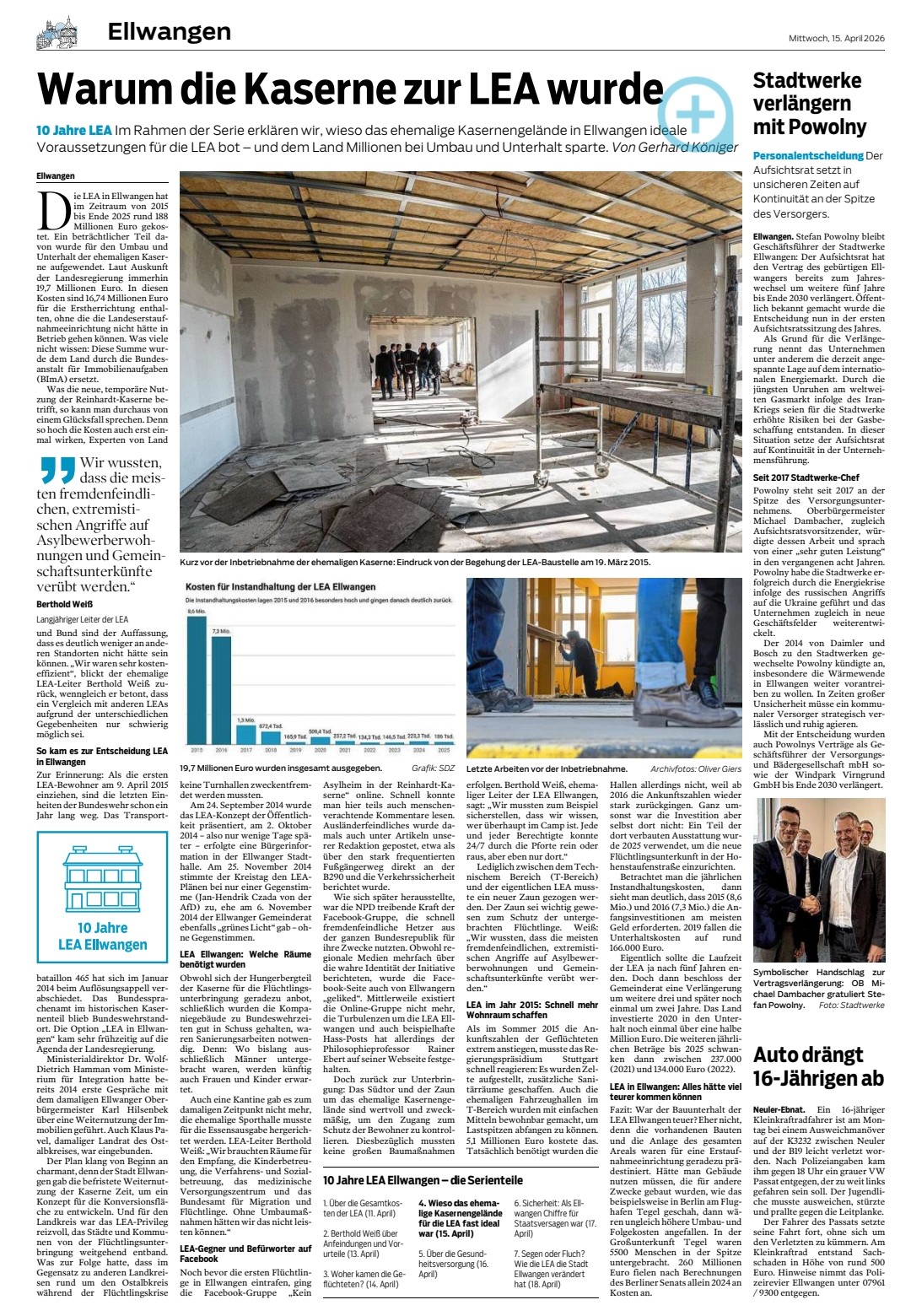
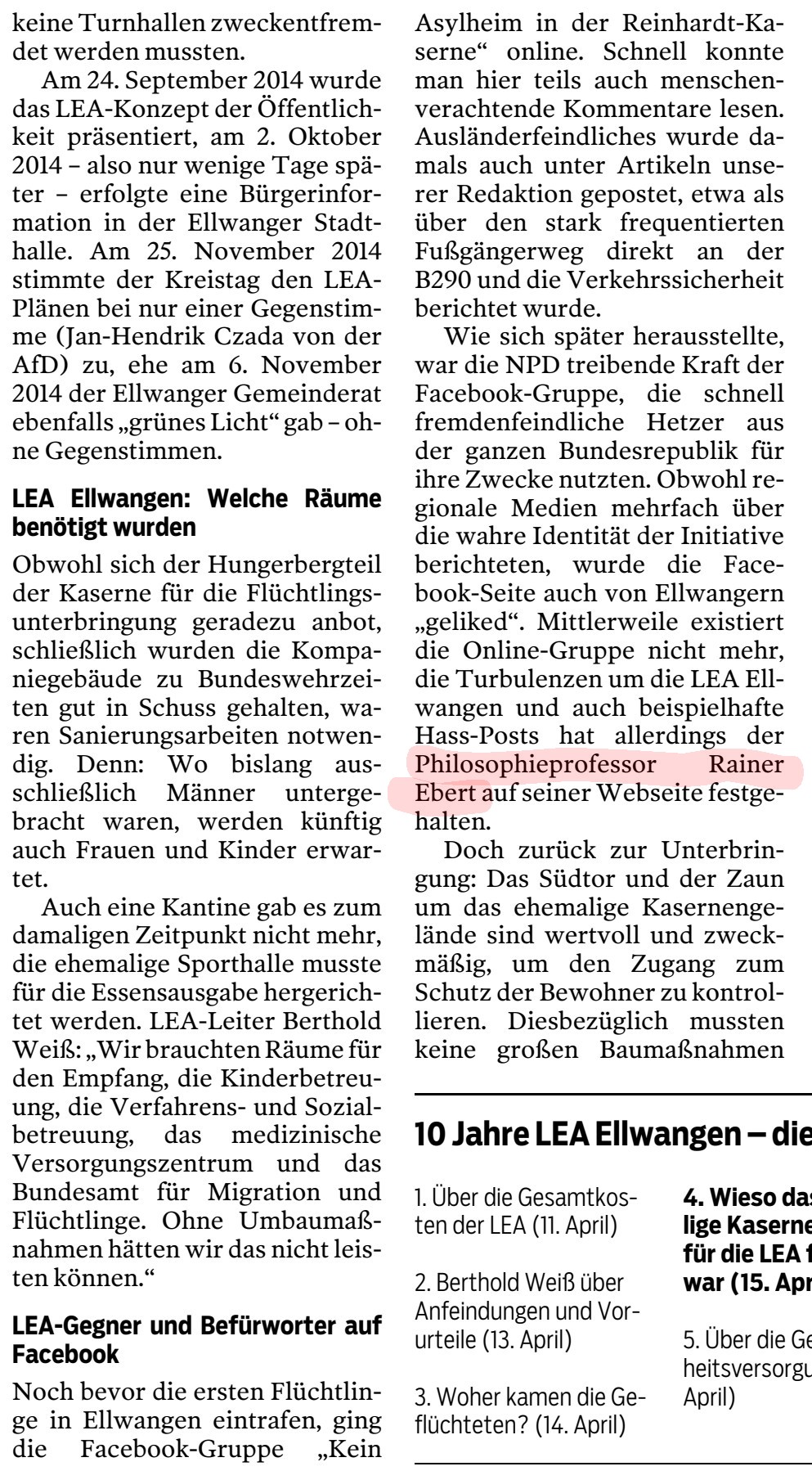
Ich werde heute beiläufig in einem Artikel der Schwäbischen Post zur Landeserstaufnahmestelle (LEA) in Ellwangen erwähnt. Als diese 2015 eröffnet wurde, gab es online eine Flut an Hasskommentaren. Eine Auswahl dieser Kommentare habe ich damals unter lea-ellwangen.tumblr.com und hier dokumentiert, um auf das Problem hinzuweisen und Menschen zu ermutigen, sich aktiv für ein friedliches Miteinander einzusetzen.
Leider sind rassistische Einstellungen auch heute, mehr als zehn Jahre später, in Deutschland noch sehr weit verbreitet. Einige Studien gelangen zu dem Schluss, dass biologistische und kulturelle Vorurteile in letzter Zeit sogar zugenommen haben.
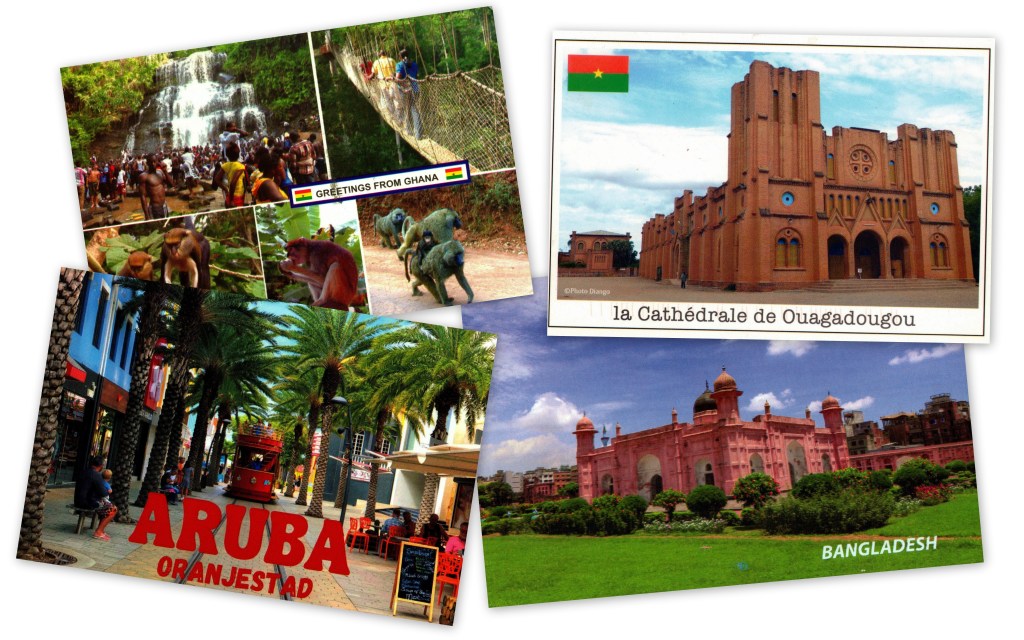
The use of postcards has declined dramatically over the last few decades, mainly due to the rise of digital communication. Yet the fact that they have become rare has only enhanced their meaning. Receiving one now feels more special than ever.
What if we could reduce meat consumption, and thereby the suffering of farmed animals, by making people allergic to red meat?
That’s the proposal made in a recent Bioethics article by Parker Crutchfield and Blake Hereth (both at Western Michigan University). They suggest we deliberately promote alpha-gal syndrome (AGS), a condition transmitted by tick bites that can trigger severe allergic reactions to mammalian meat. The idea is simple: if people can’t eat red meat, they won’t, and animals will suffer less.
In a new paper just published in the same journal, my co-author Christian Koeder and I argue that this approach is not only misguided, but morally problematic.
Namna tunavyowatendea wanyama inaonyesha kwa kiasi kikubwa utu wetu. Wanyama hawawezi kuzungumza lugha zetu, lakini wana uwezo wa kuhisi. Wanahisi maumivu, hofu, furaha na faraja—kama sisi. Wanathamini maisha yao, kama sisi tunavyothamini yetu.
Hata hivyo, kila siku wanyama wengi wanateseka. Katika mashamba, maabara, na shughuli za burudani mbalimbali, mara nyingi wanachukuliwa kama vitu tu—vitu vya kutumiwa, kudhibitiwa au kutupwa.
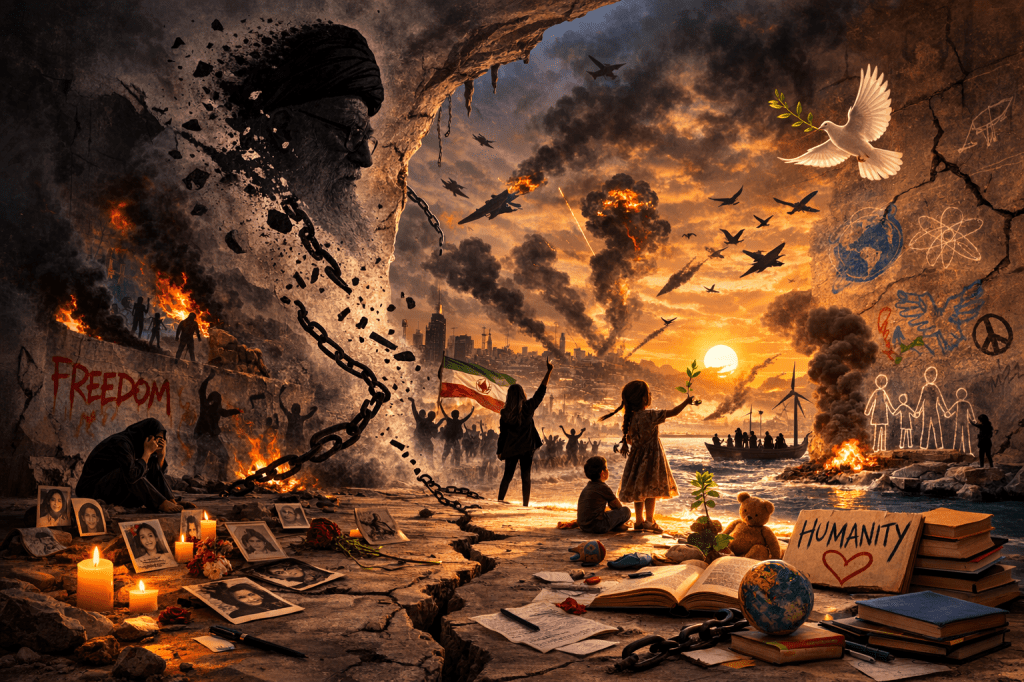
Ali Khamenei is dead. For decades, he held ultimate political and religious authority over a theocratic regime that continues to oppress Iranians at home and sponsor terrorism abroad. For those who survived torture and other forms of ill-treatment at the hands of this regime, those who were forced to flee their homeland to escape persecution, and those who lost friends and family, including the thousands of protesters killed by Iranian security forces in January, this is a moment of relief. Khamenei will not be hurting anyone anymore. For some, joy joins relief in an intricate tangle of emotions that only those who have lived under the shadow of the Grand Ayatollah can truly comprehend.
Wanyama wengine ambao binadamu huwatumia kwa chakula, katika sayansi, huwawinda, huwakamata, na kuwanyanyasa kwa namna mbalimbali, wana maisha yao binafsi ambayo yana thamani kwao wenyewe na sio tu kwa sababu ya matumizi yao kwetu. Sio tu kwamba wapowapo duniani, bali wanaufahamu. Wanachokipitia kina maana kwao. Kila mnyama ana maisha ambayo yanaweza kuwa mazuri au mabaya kulingana na namna anavyotendewa.
It is a winter day in a small town at the far eastern edge of the Himalaya, in the Chinese province of Yunnan. The province is known for its mild climate. Though snowy days are not uncommon, especially in January, if they do occur they are few. Some years go by without any snow reaching the ground at all. On this January day, temperatures are low, but not low enough for snow. It is cold, if one asks the people living here, or cool, if one were to ask people accustomed to harsher climates.
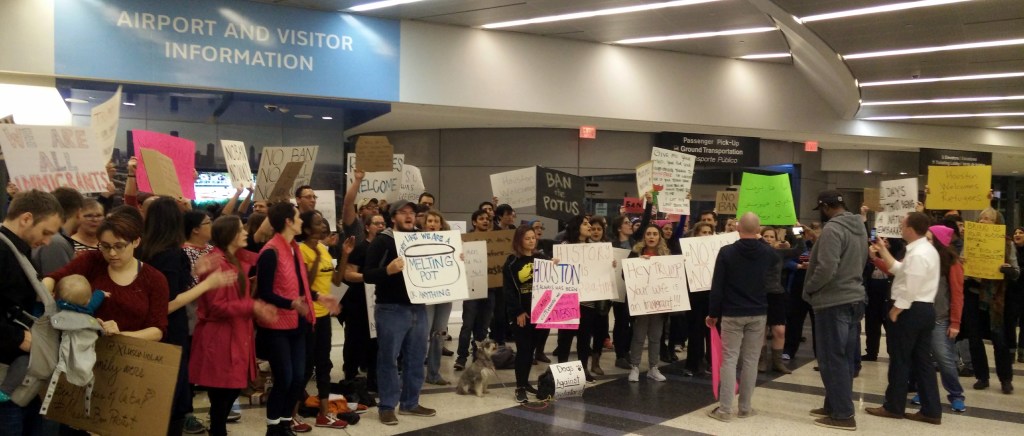
Muslim Ban protest at George Bush Intercontinental Airport on January 28, 2017
Just a week after Donald Trump first took office as President, he signed Executive Order 13769 – his first travel ban. It halted refugee admissions and suspended entry into the U.S. for citizens of Iran, Iraq, Libya, Somalia, Sudan, Syria, and Yemen. All of these countries have a Muslim majority. Because of that, and also because Trump had previously said that he intends to ban Muslims from the U.S., critics referred to the order as a “Muslim ban.” The backlash was immediate and broad, coming from Republicans and Democrats alike, as well as U.S. diplomats, business leaders, universities, faith groups, and international organizations such as the United Nations and Amnesty International. Protests erupted in airports and cities across the U.S. A friend and I – both of us immigrants to the U.S. ourselves – spontaneously drove to the international airport in Houston to express our outrage, along with hundreds of other protesters. I remember I felt hopeful. Surely, even people who didn’t come out to the airport would recoil once they learned what the order was actually doing to real human beings – for example, to the 78-year-old Iranian grandmother, certainly not a threat to national security, who came to the U.S. with a valid visa to visit her children, as she did every year. She was detained for 27 hours at LAX, denied access to lawyers, and fell ill before finally being allowed to enter the country.
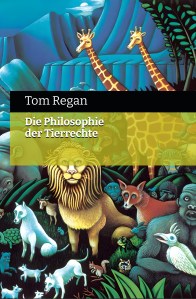
Tom Regan war einer der Begründer der Philosophie der Tierrechte. In seinem Text The Philosophy of Animal Rights, den ich hier neu ins Deutsche übersetzt habe, bietet er eine kompakte Zusammenfassung dieser Philosophie. Ausgangspunkt für Regans Argument ist die Tatsache, dass viele nichtmenschliche Tiere – ebenso wie Menschen – ein Leben haben, das für sie selbst von Bedeutung ist. Sie besitzen ein geistiges Innenleben, können Freude und Leid erfahren und haben daher einen Eigenwert, der unabhängig von ihrem Nutzen für den Menschen besteht.
Die Tiere, die von Menschen gegessen, in der Wissenschaft verwendet, gejagt, mit Fallen gefangen und auf vielerlei andere Weise ausgebeutet werden, haben ein eigenes Leben, das ihnen wichtig ist, unabhängig von ihrem Nutzen für uns. Sie existieren nicht nur in der Welt, sie sind sich der Welt bewusst. Was mit ihnen geschieht, ist für sie von Bedeutung. Jedes Tier hat ein Leben, das für das Tier selbst besser oder schlechter verlaufen kann.