
I’m excited to share that my latest paper has just been published in Asian Bioethics Review!
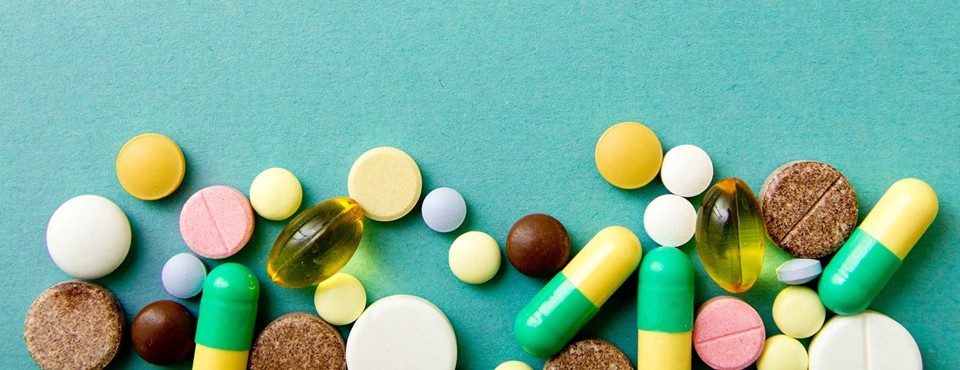
The paper tackles an underappreciated issue in healthcare, which arises from the fact that many common medications contain animal-derived ingredients, such as gelatin, lactose, or magnesium stearate. For most people, this fact doesn’t raise any concerns. But for ethical vegans, whose numbers are steadily increasing globally, it can create a real moral conflict.
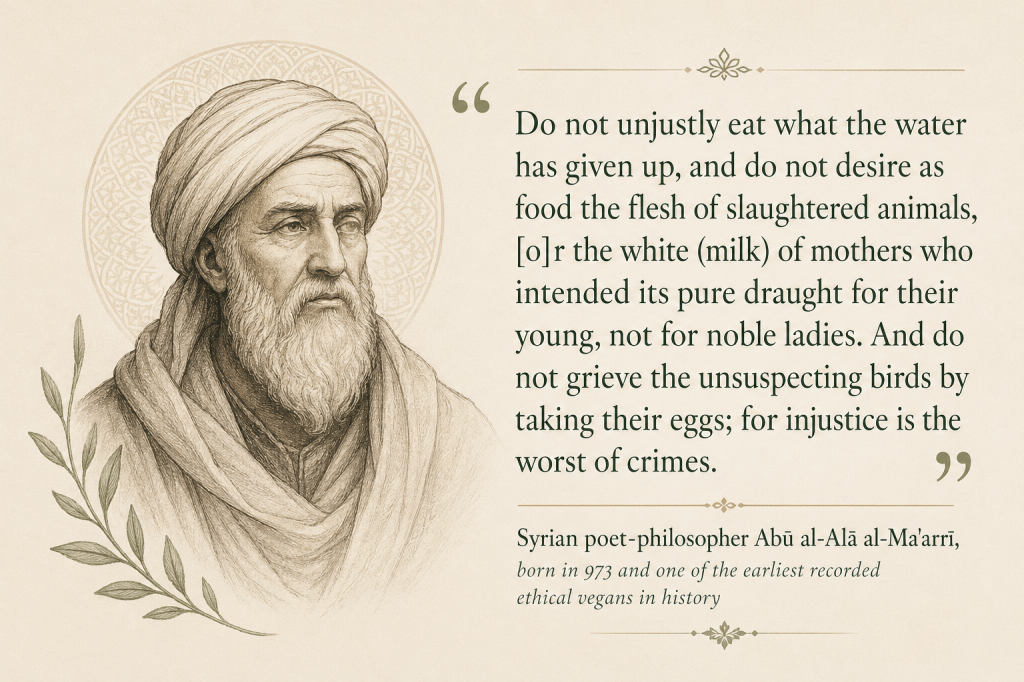
This issue became personal when I had to get my wisdom teeth removed a few years ago. The procedure itself is fairly routine, but I knew it would involve intravenous sedation, and pain medication afterwards. As an ethical vegan, I try to avoid animal products whenever possible, so I asked the oral surgeon if he could make sure that everything used would be free of animal-derived ingredients.
The response was… not encouraging. He told me he wouldn’t even know where to start, and he didn’t seem particularly interested in finding out.
I eventually found another surgeon who was willing to take the question seriously. What followed surprised me. Between the surgeon, a pharmacologist, and a group of pharmacists who specialize in identifying animal-free medications, it took significant time and effort to figure out which medications could be used. I was grateful, but also struck by how difficult it was to access information that I thought should be easy to obtain.
That experience was the starting point for the paper.
My basic argument is simple. In medicine, we take informed consent seriously. Patients should be given the information they need to make decisions in line with their values. But in practice, patients are almost never told when medications contain animal-derived ingredients. Often, doctors don’t know themselves, and even if they try to find out, the information can be frustratingly hard to access.
That matters, because for many ethical vegans, avoiding animal products is a moral commitment that’s central to how they live their lives. In that sense, ethical veganism is closer to a religion than a mere dietary preference, and we already recognize that religious beliefs deserve respect in clinical decision-making. It is therefore only logical to extend similar consideration to the beliefs of ethical vegans.
When information about animal-derived ingredients in medications isn’t disclosed, a few things can go wrong. Patients’ autonomy is undermined. Some may feel distressed (i.e., suffer psychological harm) if they later discover they’ve unknowingly taken something that conflicts with their values, and in some cases, people may stop taking medication altogether once they find out, risking adverse health outcomes.
So what should change? Doctors should proactively discuss animal-derived ingredients in medications with patients as part of informed consent, rather than waiting for patients to ask; drug manufacturers should improve transparency through clear labeling, and ideally replace animal-derived ingredients with plant-based or synthetic alternatives where possible; and universities should prepare future doctors and pharmacists to navigate these questions.
Ultimately, this isn’t just about ethical veganism. It’s about taking patients seriously as individuals with their own values, and making sure the healthcare system is responsive to that.
If you’re interested in medical ethics, patient autonomy, or the intersection of healthcare and personal values, I hope you’ll give my paper a read. Thanks to open-access funding from the University of South Africa, the paper is freely available online, meaning anyone can access and read it from anywhere in the world without a subscription or paywall.

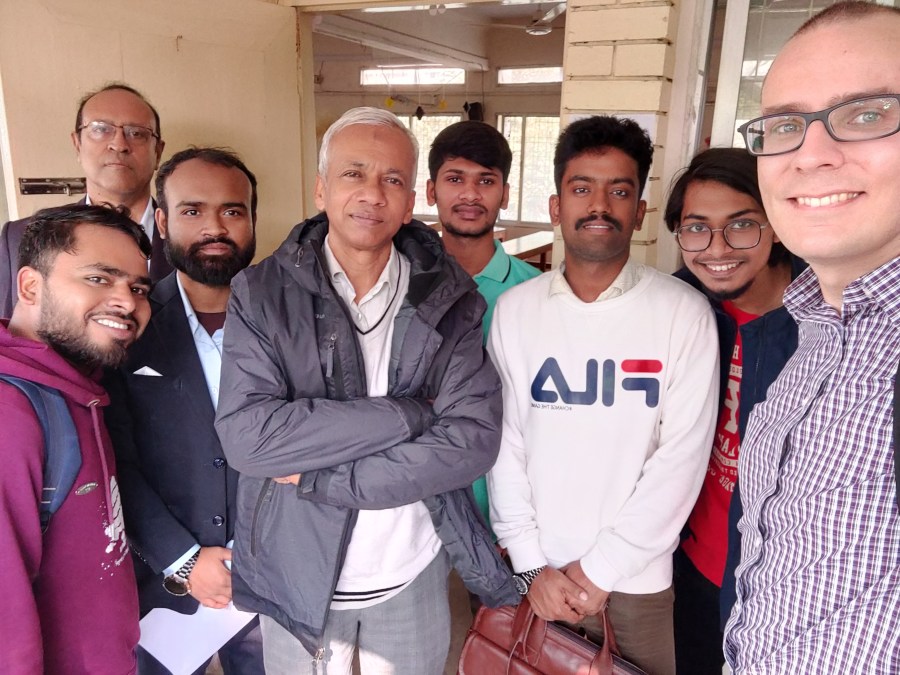
Earlier versions of the paper were presented at the Department of Philosophy, Practical and Systematic Theology at the University of South Africa and the Department of Philosophy at Jagannath University in Bangladesh. Many thanks to the students and colleagues present on these occasions for their valuable feedback!

