
What if we could reduce meat consumption, and thereby the suffering of farmed animals, by making people allergic to red meat?
That’s the proposal made in a recent Bioethics article by Parker Crutchfield and Blake Hereth (both at Western Michigan University). They suggest we deliberately promote alpha-gal syndrome (AGS), a condition transmitted by tick bites that can trigger severe allergic reactions to mammalian meat. The idea is simple: if people can’t eat red meat, they won’t, and animals will suffer less.
In a new paper just published in the same journal, my co-author Christian Koeder and I argue that this approach is not only misguided, but morally problematic.
The problem we agree on
Let’s start with what we do agree on: there is a serious moral problem with how nonhuman animals are treated in modern animal agriculture. Tens of billions of animals are raised and killed each year, very often in conditions that involve significant suffering. Abolishing this practice is an urgent moral challenge.

Even philosophers who are critical of the idea that nonhuman animals are our moral equals agree that the way we currently treat animals cannot be justified. Yale philosopher Shelly Kagan, for example, wrote in a book in which he defends (!) human superiority:
Our treatment of animals is a moral horror of unspeakable proportions, staggering the imagination. Absolutely nothing that I say here is intended to offer any sort of justification for the myriad appalling and utterly unacceptable ways in which we mistreat, abuse, and torture animals.
Indeed, the extent of the problem is hard to imagine! Did you know that almost all mammals and birds alive today live in cages of our making? Wild mammals make up just 5% of the world’s mammal biomass; for wild birds, the figure is 29%.
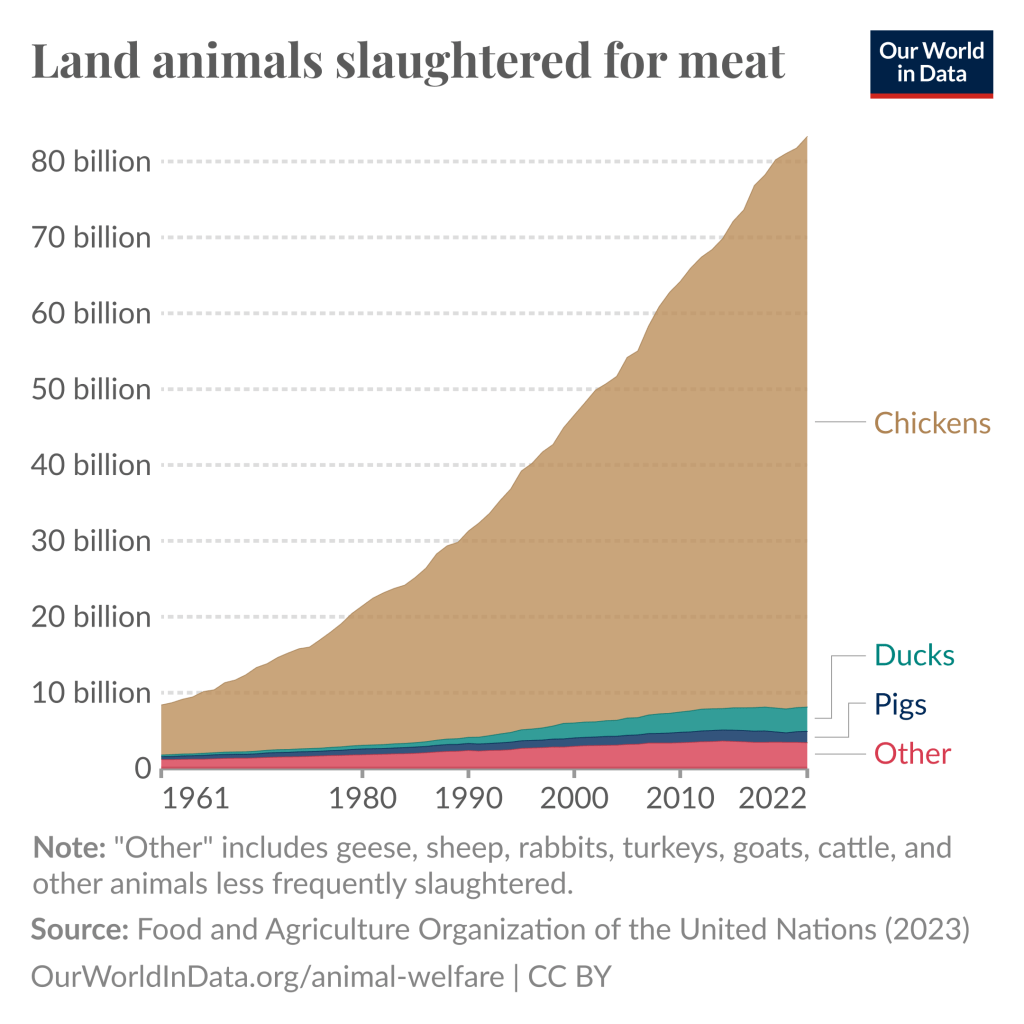
In 2022, 83 billion animals were slaughtered for meat globally. This only includes land animals. It does not include fish. Today, the number is even greater. 83 billion animals per year makes about 2,632 animals per second! If killing animals for food is immoral (and I haven’t yet come across any plausible argument that it isn’t), this represents a moral disaster of truly mind-blowing proportions.
Animal agriculture is one of the most pressing moral problems of our time. But how we go about addressing it matters.
Would making people allergic to red meat actually reduce animal suffering?
At first glance, making people allergic to red meat might seem like a clever solution. But real-world behavior is more complicated. If people stopped eating beef and pork, most of them would likely not become vegetarians or vegans. Instead, they would replace red meat with chicken, fish, or eggs.
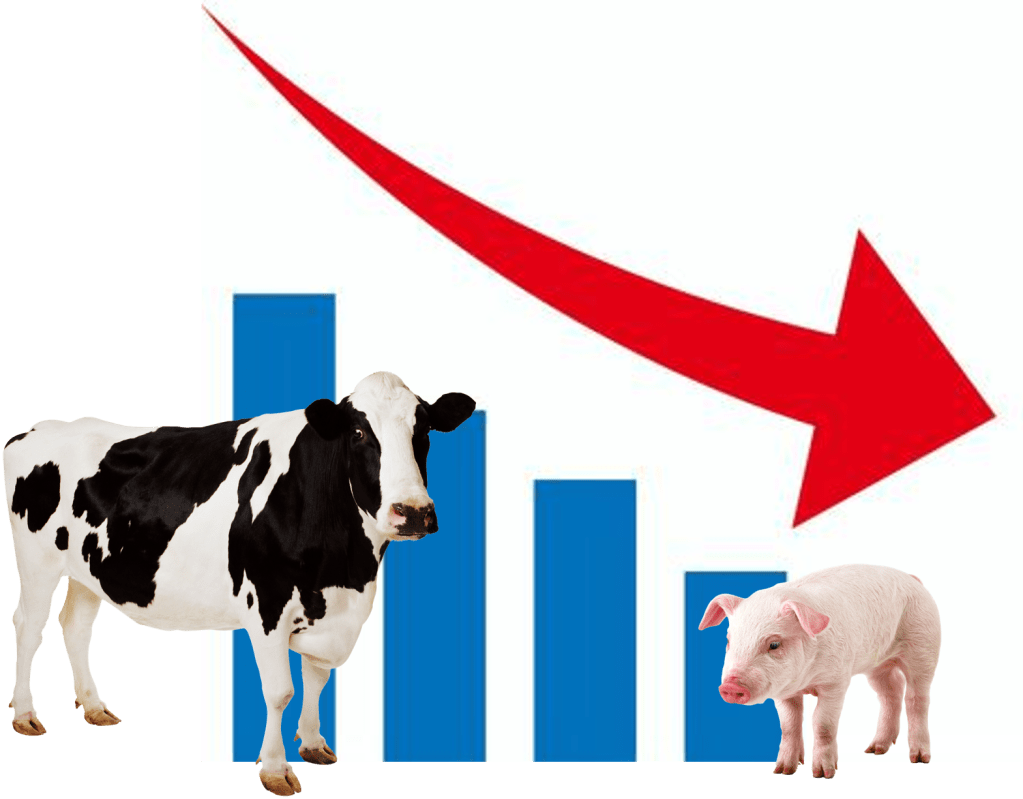
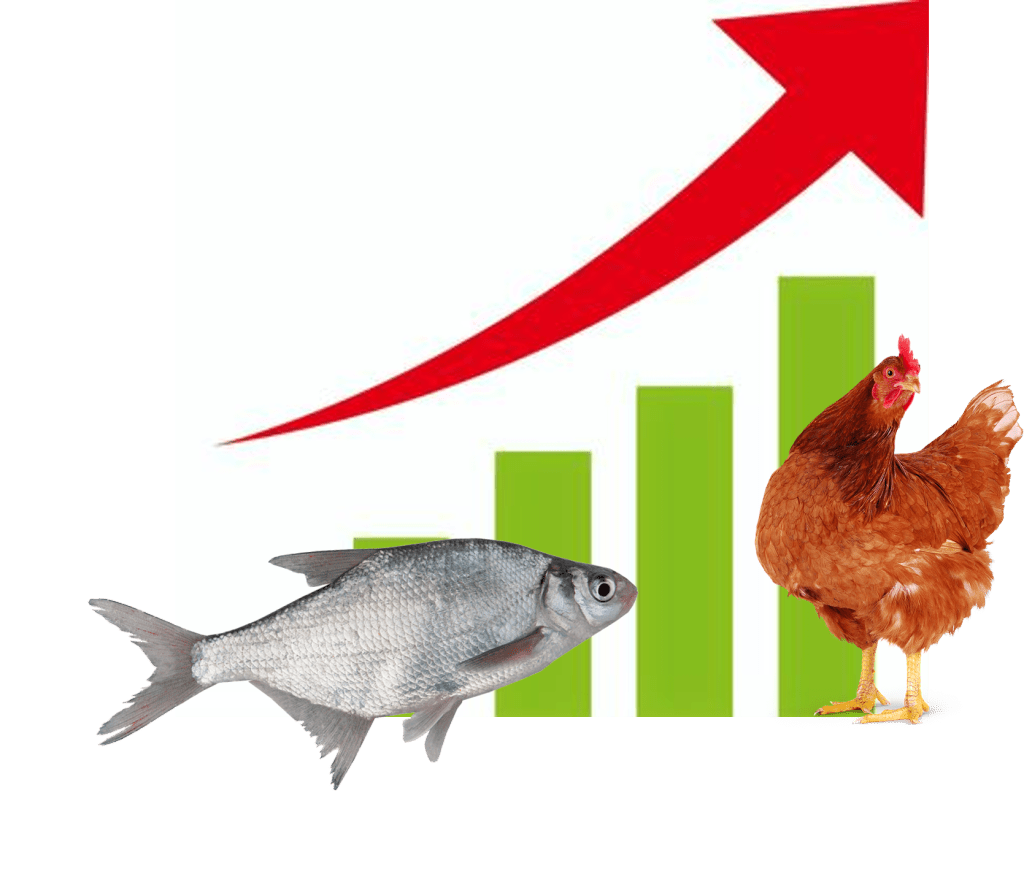
This shift would increase the number of animals killed; because smaller animals mean more lives lost for the same amount of food. As Christian and I show in our paper, replacing red meat with poultry, fish, or eggs would also lead to more overall animal suffering, not less.
The right against bodily interference

In addition to the question of whether or not Crutchfield and Hereth’s proposal would actually work, there is also a concern about rights. The proposal is to intentionally expose people to a condition that alters their bodies without their consent, which Crutchfield and Hereth compare to vaccination. However, there are important differences. Vaccines are typically voluntary, provide clear health benefits, and are administered in controlled ways. By contrast, spreading AGS through ticks would involve introducing a potentially lifelong condition through involuntary exposure, which is far more coercive than vaccination and would violate people’s right against bodily interference.
Doing the right thing for the wrong reasons
Finally, there’s the question of motivation. Even if people stopped eating meat because of AGS, they wouldn’t be doing so out of concern for animals. They’d be doing it to avoid having allergic reactions. From a moral perspective, that matters. Acting out of fear or self-interest is not the same as acting out of compassion or moral conviction. If anything, coercive approaches like the one proposed by Crutchfield and Hereth can backfire, by making people more resistant to moral arguments rather than more receptive to them.
The bottom line
The idea of solving moral problems with a biological shortcut is tempting. But in this case, it creates new problems without solving the old ones. If we want to reduce animal suffering and safeguard animal rights, there are better and more ethical ways to do it: education, better alternatives to animal products, and policy changes. These approaches respect people’s autonomy while also addressing the root of the problem.
Reducing meat consumption, with a view to eventually eliminating it, is important. Making people allergic to meat is not the way to do it.
If you’d like to explore the argument in more detail, here’s the full paper.
 Rainer Ebert